

This website contains affiliate links. Some products are gifted by the brand to test. As an Amazon Associate, I earn from qualifying purchases. The content on this website was created with the help of AI.
You'll slash your transportation costs in 2024 with three proven money-saving strategies. Start by joining a carpool through apps like Waze Carpool to cut your fuel expenses by up to 75% while sharing maintenance costs. If you're considering a vehicle purchase, electric cars now offer compelling savings with $30-40 monthly charging costs versus $150-200 for gas, plus available tax credits up to $7,500. Don't overlook public transit – digital fare cards and monthly passes can reduce your costs by 30%, especially during off-peak hours. These smart moves will put thousands back in your wallet this year.
Key Takeaways
- Join a carpool group using apps like Waze Carpool to split fuel costs and reduce monthly commuting expenses by up to 75%.
- Purchase monthly transit passes during promotional periods to save 30% compared to single-ride tickets.
- Switch to an electric vehicle to reduce monthly transportation costs from $150-200 to $30-40 in charging expenses.
- Use digital fare cards and travel during off-peak hours to secure 15-25% discounts on public transportation.
- Establish a central meeting point for carpooling to minimize extra mileage and share costs through apps like Splitwise.
Smart Carpooling Strategies
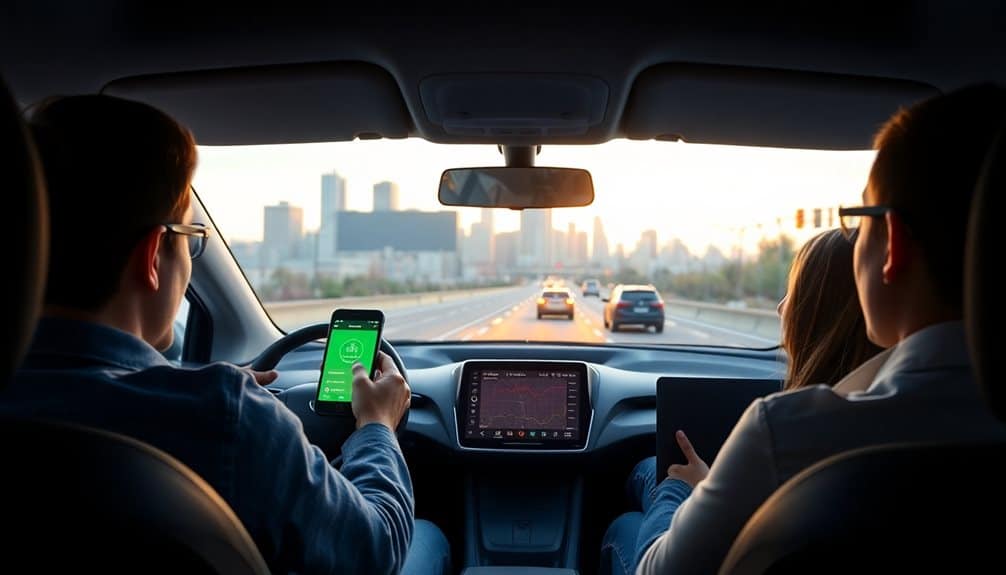
Today's rising gas prices make carpooling one of the smartest ways to slash your commuting costs. By sharing rides with coworkers or neighbors, you'll cut your fuel expenses by 50-75% while reducing vehicle wear and tear. You'll also save on parking fees and toll charges, which can add up to significant monthly savings.
To establish an effective carpool, start by identifying potential partners within a 3-mile radius of your home who share similar work schedules and routes. Use apps like Waze Carpool or RideShare to connect with reliable commuters. Create a clear rotation schedule, with each member taking turns as the designated driver on specific days.
Set up a transparent cost-sharing system using apps like Splitwise or Venmo for hassle-free payments. Calculate expenses by tracking mileage, fuel costs, and maintenance fees. Don't forget to check with your insurance provider about carpooling coverage. You can also maximize savings by choosing a central meeting point to minimize detours and extra mileage. Consider establishing backup plans for emergencies and scheduling conflicts to maintain a smooth carpooling routine.
Electric Vehicle Cost Benefits
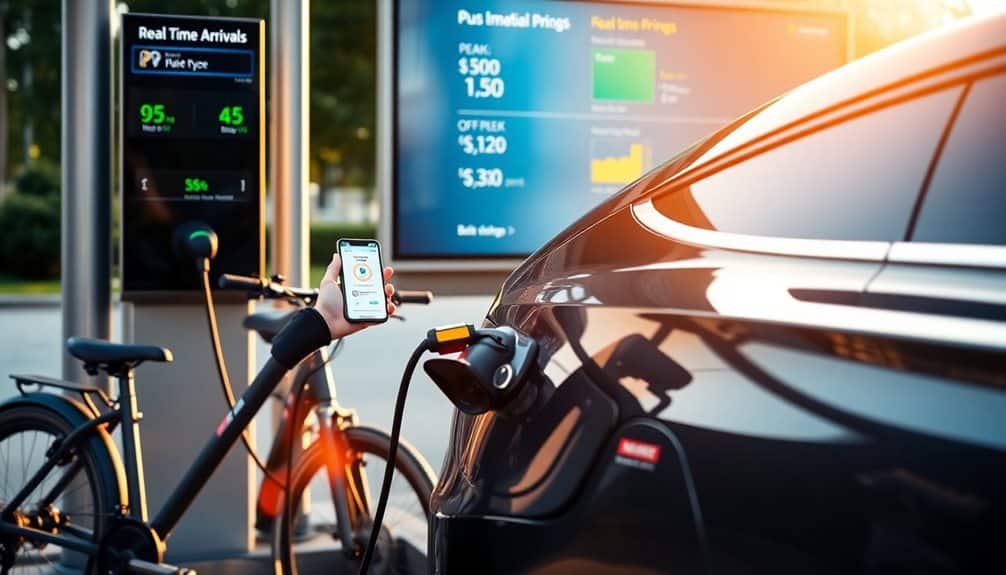
Despite higher upfront costs, electric vehicles offer substantial long-term savings that make them an increasingly attractive option for budget-conscious drivers. You'll save considerably on fuel costs, spending roughly $30-40 monthly on electricity compared to $150-200 on gas. Plus, maintenance costs drop dramatically since EVs have fewer moving parts and don't require oil changes.
Tax incentives make the switch even more appealing. You can claim up to $7,500 in federal tax credits on new EVs, while many states offer additional rebates ranging from $2,000 to $4,000. Insurance companies often provide discounts for electric vehicles due to their advanced safety features and lower risk profiles.
Your EV's resale value will likely remain strong as the market continues to embrace electric technology. You'll also dodge future gas price spikes and benefit from expanding charging infrastructure. Some utilities offer special rates for overnight charging, letting you power up when electricity costs are lowest. When you factor in these combined savings, your EV could pay for its price difference within 3-5 years of ownership, making it a smart long-term investment for your wallet.
Public Transit Optimization
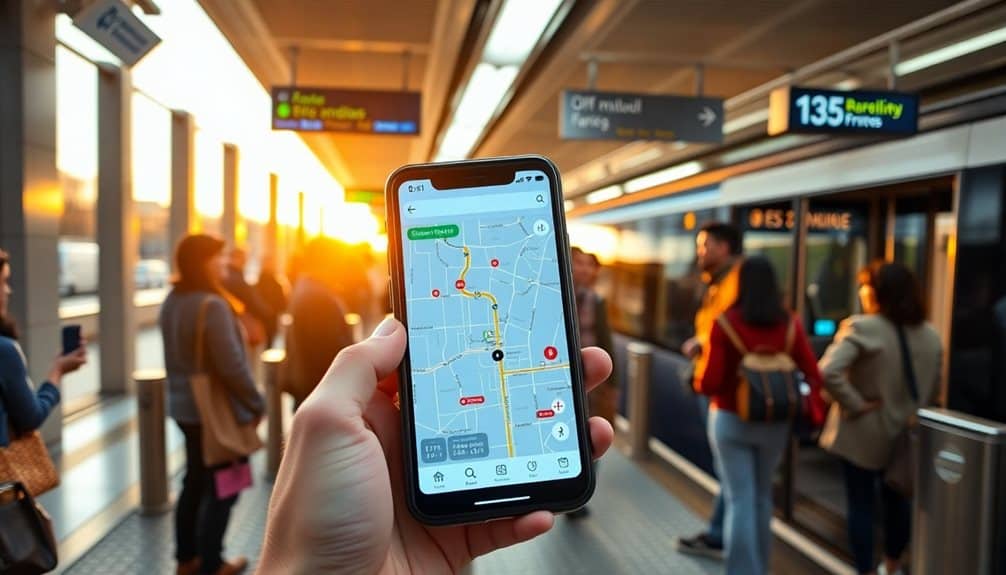
Through savvy planning and modern transit apps, you'll find countless ways to slash your commuting costs using public transportation. Many transit systems now offer digital fare cards that automatically calculate the best fare based on your usage patterns, potentially saving you up to 30% compared to single-ride tickets. By linking your transit card to budgeting apps, you'll track expenses and identify cost-cutting opportunities.
- Download multiple transit apps to compare real-time arrival predictions and choose the most efficient routes
- Purchase monthly passes during promotional periods, often offered in January and September
- Combine bus and rail options to create hybrid routes that can be cheaper than single-mode transport
- Take advantage of off-peak fare discounts, typically offering 15-25% savings
- Sign up for employer transit benefits or use pre-tax dollars for fare purchases
Consider scheduling adjustments that align with transit schedules to minimize waiting times and transfer delays. You can also explore partnership programs between transit agencies and local businesses that offer rider rewards and cashback opportunities. Remember to regularly check your transit authority's website for new discount programs and seasonal promotions that could further reduce your transportation costs.
Frequently Asked Questions
How Do I Calculate the True Depreciation Cost of My Personal Vehicle?
To calculate your vehicle's true depreciation cost, subtract the estimated resale value from your purchase price, then divide by the number of years you'll keep it. Don't forget to factor in major repairs that affect value. You'll get the most accurate estimate by checking current market values of similar models in your area and tracking maintenance costs over time.
What Insurance Discounts Exist for Low-Mileage or Mixed-Mode Commuters?
You'll find several insurance discounts if you drive less or combine transportation modes. Look for pay-per-mile plans that track your usage, low-mileage discounts (usually under 7,500 miles annually), and usage-based programs that monitor driving habits. Many insurers offer 10-25% savings for part-time drivers. Don't forget to ask about public transit rider discounts, which some companies provide when you prove regular bus or train use.
Are Bicycle Commuting Tax Benefits Still Available Under Current Legislation?
You can't claim bicycle commuting tax benefits in 2024-2024 since they were suspended through the Tax Cuts and Jobs Act. However, you might get reimbursements through your employer's commuter benefits program if they offer one. Check with your HR department about bicycle expense coverage, which could include bike maintenance, repairs, and storage costs. Some companies provide up to $20 monthly for bike commuting expenses.
Which Apps Offer the Best Real-Time Fuel Price Comparisons?
GasBuddy remains your most reliable option for real-time fuel prices, offering user-reported data and a payment card for additional savings. Waze's fuel price feature comes in handy while you're already maneuvering. Google Maps shows gas prices directly in your search results, and AAA's TripTik app provides verified pricing from OPIS. You'll save the most by using multiple apps to cross-reference prices before filling up.
Can I Deduct Transportation Expenses When Working as a Freelancer?
Just like stagecoach drivers tracked their miles, you'll need to document your transportation expenses meticulously. As a freelancer, you can deduct vehicle-related costs using either actual expenses or the standard mileage rate. Keep detailed logs of business trips, parking fees, and tolls. You'll also need receipts for gas, maintenance, and insurance if you're claiming actual expenses. Don't forget to separate personal and business travel.


